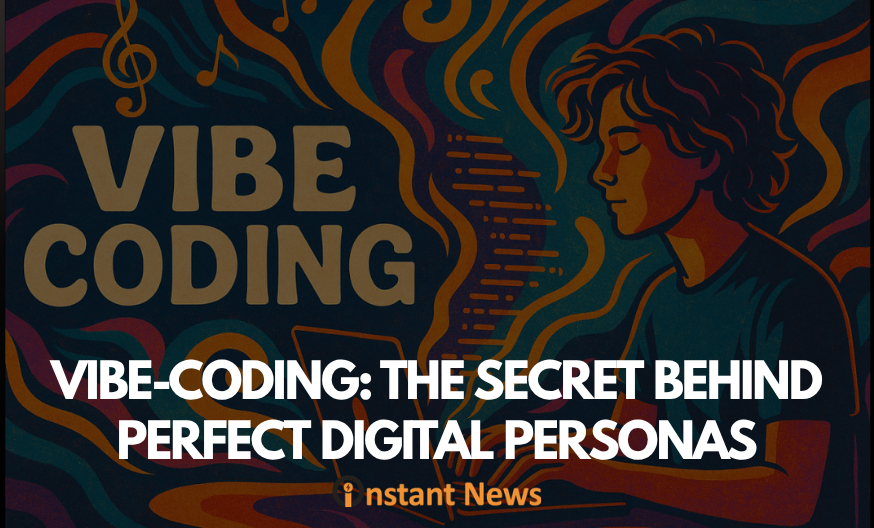
Hollywood has entered a new era. Gone are the days of simple PR teams and scheduled tweets. In 2026, the biggest stars are leaning into Vibe-Coding. This process allows celebrities to use advanced AI to maintain a consistent, hyper-realistic digital presence. It ensures their “vibe” remains untouched, even when they are off the grid.
How Top Stars Use Vibe-Coding for Social Media
Celebrities like Zendaya and Tom Holland are leading the charge. Recently, fans questioned if certain wedding photos were real or the result of high-level Vibe-Coding. By feeding an AI their personal style, speech patterns, and aesthetic preferences, stars can generate content that feels 100% authentic.
This tech does more than just post pictures. It monitors global trends in real-time. If a specific “mood” starts trending on TikTok, the celebrity’s Vibe-Coding software adjusts their digital output to match. It creates a seamless bridge between the human artist and their global audience. This keeps the star relevant around the clock without causing burnout.
The Impact of Vibe-Coding on Celebrity Scandals
Even scandals look different now. We recently saw Blake Lively and Justin Baldoni in the headlines over legal disputes. In 2026, the first line of defense is often Vibe-Coding. PR teams use these tools to “flood the zone” with positive, AI-generated interactions that dilute negative press.
However, this brings up the issue of “Digital Provenance.” Fans now demand to know what is real. Is that video of Britney Spears truly her, or is it a masterclass in Vibe-Coding? As the lines blur, the value of a “real” human moment increases. Yet, many stars find the safety of a coded persona too good to pass up. It protects their private lives while their digital twin handles the fame.
Vibe-Coding and the Future of Film Promotion
Movie marketing has also changed. For the upcoming The Devil Wears Prada 2, the studio didn’t just release trailers. They launched Vibe-Coding bots that interacted with fans as the characters. These bots “lived” on social media, reacting to current events in the voice of Miranda Priestly.
This level of immersion is the new standard. Fans no longer just watch a movie; they exist in its digital ecosystem. Vibe-Coding makes this possible by creating an infinite stream of character-driven content. It turns a two-hour film into a months-long digital experience.
The Ethical Debate Surrounding Coded Fame
Not everyone in Hollywood is on board. Legends like Jamie Lee Curtis have recently blasted “Hollywood fakery.” She argues that Vibe-Coding makes stars feel fraudulent. There is a growing movement of actors who refuse to use digital twins. They prefer the “human-first” approach, even if it means less engagement.
Despite the pushback, the efficiency of Vibe-Coding is hard to ignore. It allows a star to “be” in ten places at once. They can film a movie in London while their coded persona hosts a digital gala in New York. For the modern mogul, it is the ultimate productivity tool.
Why Fans Are Obsessed with Vibe-Coding
Audiences are split. Younger fans enjoy the constant stream of high-quality content. They view Vibe-Coding as just another creative tool, like makeup or CGI. They enjoy interacting with AI versions of their idols in Discord servers and private broadcasts.
Older fans, however, miss the grit of old Hollywood. They want the raw, unpolished moments that it often smooths away. This tension is shaping the entertainment industry in 2026. We are watching a live experiment in how much “humanity” we actually need from our celebrities.
What’s Next for the Coded Celebrity?
As we look toward the end of 2026, expect Vibe-Coding to become even more invisible. The tech will get so good that we won’t be able to tell the difference between a live stream and a coded one. This will change the very definition of a “public figure.”
Whether you love it or hate it, Coding is here to stay. It has become the backbone of the creator economy and the Hollywood studio system alike. The next time you see a “perfect” post from your favorite actor, look closer. You might just be witnessing the future of digital art.
Which celebrity do you think relies most on their digital “vibe” right now?